






This post is also available in:
 Deutsch
The Casa Gorordo Museum in Cebu City, Philippines, is a historic gem that offers a fascinating insight into the rich history and culture of the region. The museum sits in the heart of the city and is one of the oldest Spanish colonial houses still preserved today. You’ll find all the information about the magnificent Casa Gorordo mansion in this guide.
In this guide
Location & opening hours: Casa Gorordo Museum Cebu
Casa Gorordo is located in the heart of Cebu’s old town, which was the country’s oldest colonial quarter (the Parian District). Nearby you’ll also find the famous Yap-San Diego house and the Cebu Heritage Monument. You can reach all of these sights comfortably on foot.
The easiest way to get to Casa Gorordo is by taxi. Depending on your starting point in the city, the ride takes around 10–15 minutes, and the fare should be in the region of 150 PHP per trip.
- Address: 35 Eduardo Aboitiz St, Cebu City, 6000 Cebu, Philippines
- Opening hours: Monday–Saturday, 9:00 a.m.–5:00 p.m. (closed on Sundays)
- Website: CASA GORORDO MUSEUM – Experience History
Note: As of January 2024, the interior of Casa Gorordo appeared to be under renovation. We were therefore unable to visit inside. The house can still be viewed from the outside, however, and the coffee shop on the grounds remains open.
Admission to the Casa Gorordo Museum Cebu
Admission to the museum costs 100 PHP per person with an audio guide, and 150 PHP with a personal guided tour.
About the Casa Gorordo Museum Cebu
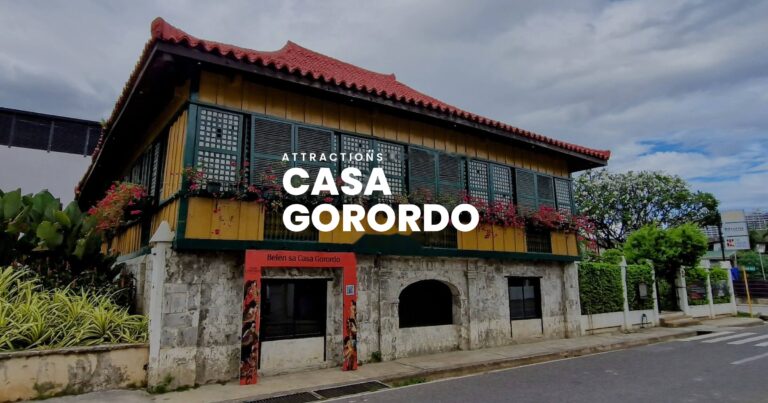
Casa Gorordo was built in the 19th century and served as the residence of the Gorordo family, a respected Filipino family with Spanish roots. Over the years the house was carefully restored and converted into a museum that documents the way of life and the cultural influences of that era. Here are a few impressions and some background on the history of the house.


History of Casa Gorordo
The Casa Gorordo Museum, originally built in the 1850s, was first owned by Alejandro Reynes y Rosales. Juan Isidro Gorordo, a merchant from the Basque province of Vizcaya in Spain, later acquired the estate. For four generations the house served as a residence for the Gorordo family, including Juan Gorordo, who became the first Filipino bishop of Cebu.
The house is an outstanding example of colonial-period architecture known locally as “balay nga tisa,” which means “house with a tiled roof.” The unique architecture of Casa Gorordo combines influences from the local, Spanish, and Chinese traditions and thus reflects the diverse cultural currents that have shaped the identity of the Philippines.
The museum today
Visitors to the museum have the opportunity not only to experience the historical significance of the house, but also to admire the artistic and architectural elements that blend together so harmoniously here.
The garden of the house, framed by the impressive architecture, offers a picturesque retreat and adds to the historic atmosphere. The Casa Gorordo Museum is therefore not only a place for remembering the past, but also a place where the cultural identity of the Philippines comes alive. A visit to this museum is also a journey through the history and culture of Cebu.
Visitors to the museum have the chance to stroll through the well-preserved rooms and admire the furniture, artifacts, and artworks from the colonial period. The rooms are decorated with antique furniture, porcelain, silverware, and religious artifacts that convey a sense of life at that time.
A highlight of the Casa Gorordo Museum is the garden, which offers an oasis of calm in the midst of the city’s bustle. The lush green surroundings invite visitors to enjoy a moment of reflection and imagine what life in this house and its picturesque garden may have been like centuries ago. In the garden there is also a coffee shop that makes a welcome pause from sightseeing.
The museum also regularly offers cultural events and programs to introduce visitors further to the history of the region.
All in all, the Casa Gorordo Museum is a fascinating destination for history enthusiasts, culture lovers, and anyone who wants to learn more about the rich past of the Philippines. It is a place where the history of Cebu comes alive and visitors are taken back to a time when Spanish culture and traditions shaped the island.
A visit is also worthwhile just for a photo from the outside, as the house has been beautifully restored and makes a great photo subject.
Still have questions about the Casa Gorordo Museum in Cebu City? Leave a comment and we’ll be happy to help!